Fact Check: Analyzing the Synthetic "Jennifer Lopez Anti-Trump Interview" and the Mechanics of Political Clickbait
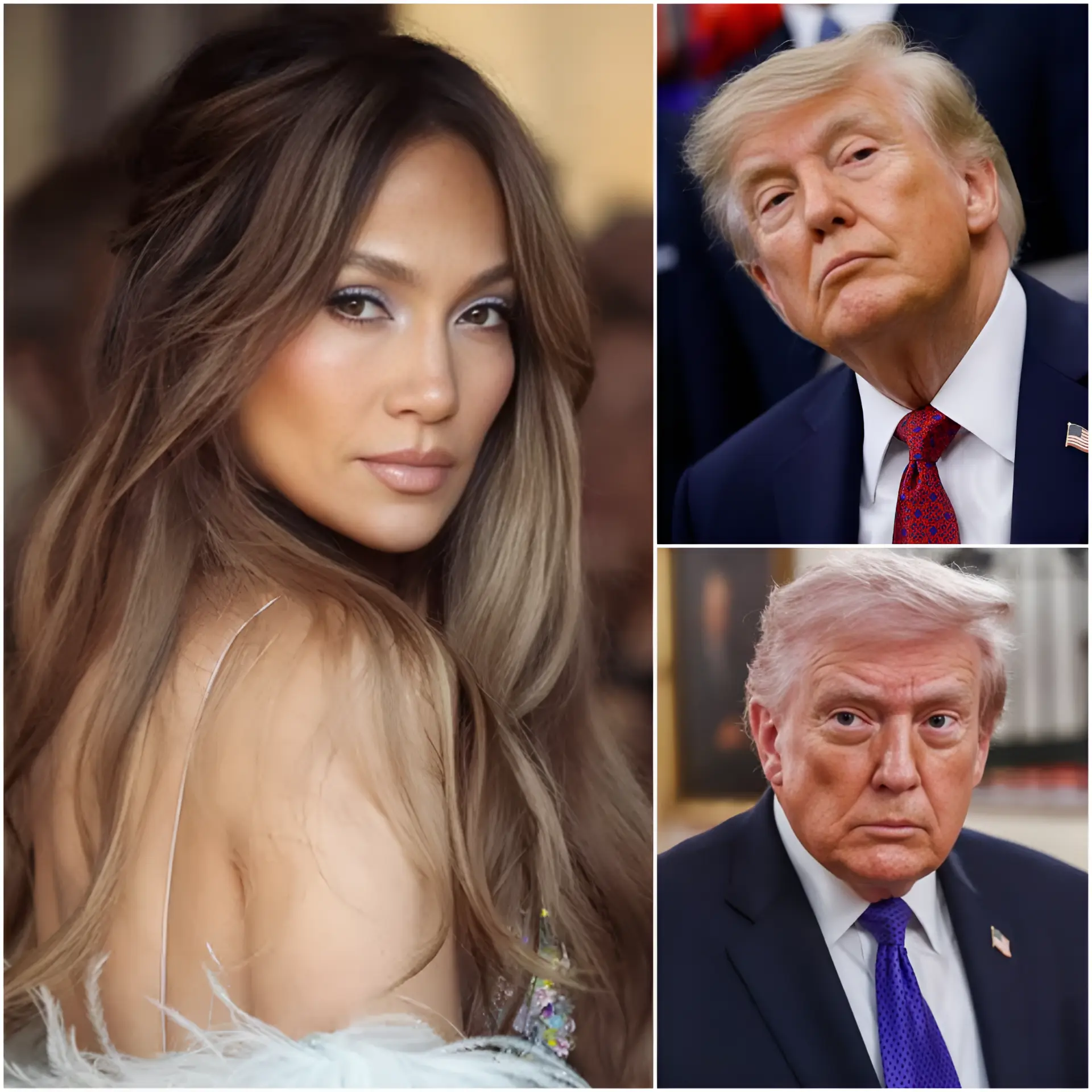
A sensational headline formatted with stylized punctuation and dramatic assertions recently swept across social media feeds: "B.O.O.M! Jennifer Lopez Just Set the Internet on Fire — and Washington Is Shaking!" The post claimed that global superstar Jennifer Lopez delivered an unfiltered, explosive interview calling former U.S. President Donald Trump "a self-serving showman" and warning citizens to "wake up before it’s too late."
The post further quoted Lopez as declaring, "He is precisely why constitutional safeguards, restraint, and accountability exist," before directing readers to check the comments section for a "full story" link.
Despite the high-voltage rhetoric and precise phrasing attributed to the pop icon, a factual review demonstrates that this story is another fabricated piece of engagement bait. It represents a widely deployed tactic: using AI-generated political drama and celebrity star power to harvest clicks, drive traffic, and manipulate social media algorithms.
Deconstructing the Fake Jennifer Lopez Narrative
The viral post frames Lopez’s alleged comments as a seismic political event that caused Washington to "descend into turmoil." It paints a picture of a direct, unapologetic confrontation aimed at national leadership and constitutional principles.
However, the narrative falls apart under standard journalistic verification:
- Absence of Verified Reporting: No mainstream news network, political journal, or entertainment outlet—including The Associated Press, Reuters, CNN, or Variety—has covered or verified any such interview. A statement of this magnitude from one of the most visible Latina artists in the world would have generated instant, widespread media coverage.
- Manufactured Direct Quotes: The sophisticated, politically heavy quotes attributed to Lopez ("He is precisely why constitutional safeguards, restraint, and accountability exist") do not appear in any official media transcripts, verified podcast appearances, or press releases.
- Obfuscated Text Formatting: The intentional insertion of periods into names and words (e.g., "D.o.n.a.l.d T.r.u.m.p") is a classic technique used by clickbait networks to evade automated content moderation and spam filters on social platforms.
Why Political Celebrity Hoaxes Go Viral
The combination of A-list celebrities and polarizing political figures serves as ideal fuel for social media algorithms. Content creators design these artificial scenarios to tap into existing cultural and political tensions, ensuring rapid dissemination across online communities.
Several key factors drive the virality of these posts:
- High-Stakes Emotional Triggers: Framing a post around national accountability, constitutional threats, and political confrontation provokes strong emotional reactions—ranging from enthusiastic agreement to intense outrage.
- Algorithmic Gaming: Social media platforms reward high interaction rates. When users leave hundreds of heated comments debating whether a celebrity should speak on politics, the platform's algorithm interprets the activity as valuable content and promotes the post to a wider audience.
- The "Link in Comments" Trap: By placing the promised "full story" link in the comments section, creators bypass platform penalties designed to downrank posts containing external links, while simultaneously encouraging users to open and scroll through the comment thread.
The Architecture of AI-Generated Engagement Bait
The structure of the "Jennifer Lopez" post follows a precise, repeatable template generated by automated text tools designed for clickbait farming:
- Punctuation and Stylized Headers: Starting with attention-grabbing exclamations ("B.O.O.M!") and dramatic punctuation to capture attention in fast-scrolling mobile feeds.
- Vague, Grandiose Narrative Arc: Utilizing grand claims about "Washington shaking" or the "internet exploding" without providing basic factual anchors like the specific outlet, interviewer, date, or location of the alleged event.
- Populist Framing: Pitching the narrative as a brave insider speaking truth to power ("voiced what millions have been thinking — and she didn’t blink"), which encourages readers to share the post as an act of personal endorsement.
These operational networks produce dozens of identical text templates daily, merely swapping out celebrity names (such as Taylor Swift, Dwayne Johnson, or Mark Cuban) and political targets to generate continuous online traffic.
How to Identify Fake Celebrity Political News
As synthetic media and AI-driven content farms become more pervasive, media consumers can protect themselves from misinformation by applying critical verification habits:
- Demand Primary Sources: Genuine political commentary from major public figures is backed by raw video footage, verified transcriptions, or official social media posts directly from the celebrity's authenticated account.
- Be Wary of Filter-Evasion Tactics: Spaced lettering, unnecessary periods between names, and unusual symbols in headlines are strong indicators that the poster is trying to bypass platform spam filters.
- Cross-Check Reputable News Outlets: If a political statement claims to have caused national uproar, search for the story on established, independent news websites. If it only exists on obscure blogs or unverified social media pages, it is almost certainly synthetic fiction.
While Jennifer Lopez remains a powerful cultural figure who has engaged in civic advocacy throughout her career, the dramatic interview and specific quotes featured in this viral post are entirely manufactured—crafted solely to monetize public attention in the relentless quest for viral engagement.