Fact Check: Analyzing the Fabricated "Caitlin Clark Leaves Team USA" Locker Room Drama
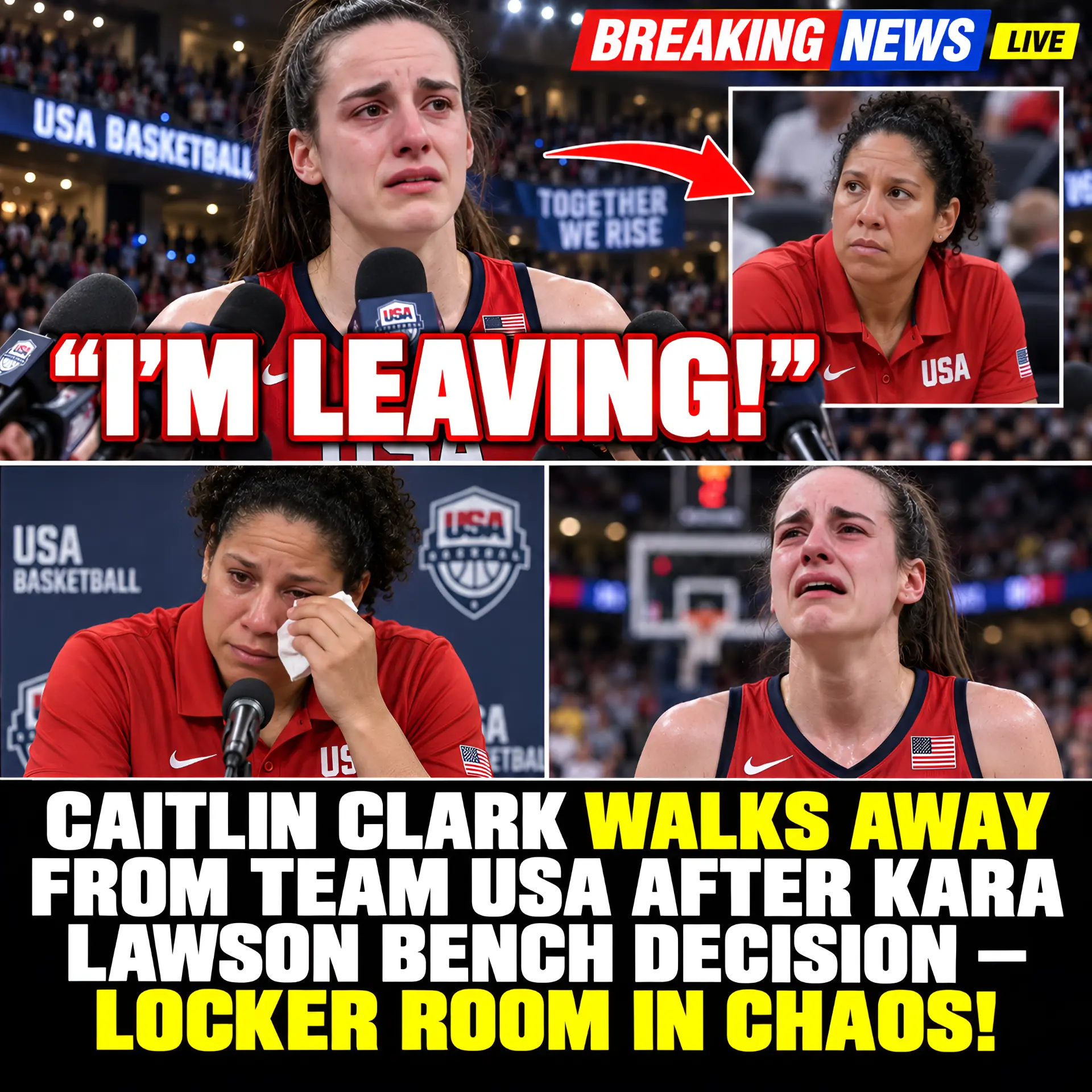
A dramatic headline recently began circulating on social media, claiming WNBA superstar Caitlin Clark abruptly "left" Team USA following a benching decision by coach Kara Lawson. The viral post, complete with clickbait formatting and sensational claims of a "locker room in chaos," alleged that Clark delivered a sharp declaration that left her teammates divided, shifting the national conversation from game strategy to respect.
However, an investigation into the narrative reveals that the entire story is completely fabricated. The post represents another entry in a growing wave of AI-generated sports engagement bait designed to manipulate fans, farm clicks, and monetize online drama using high-profile basketball figures.
Deconstructing the Fake "Bench Drama" Story
The post relies on high-stakes sports tropes—interpersonal conflict, coaching disputes, and dramatic walkouts—to create a compelling narrative. Despite its urgent tone, every major claim in the story fails basic factual verification:
- No Team USA Departure: Caitlin Clark has not walked away from or left Team USA. Any official roster change, suspension, or voluntary departure involving a marquee athlete of Clark's stature would trigger immediate coverage across global sports networks like ESPN, The Athletic, and the Associated Press. No such reports exist.
- Fabricated Locker Room Fallout: The story references an anonymous "declaration" and a divided locker room, yet provides zero direct quotes, official press transcripts, or statements from USA Basketball. The narrative relies entirely on vague, atmospheric descriptions ("a message that left the locker room divided") rather than verifiable facts.
- Manufactured Coaching Conflict: Misleading headlines frequently insert prominent basketball figures like Duke head coach and USA Basketball coach Kara Lawson into hypothetical scenarios to make fake news sound plausible to casual observers.
Why Caitlin Clark and Team USA Generate Endless Clickbait
Caitlin Clark’s meteoric rise from NCAA record-breaker to WNBA star has made her one of the most discussed and polarizing figures in modern sports. Content creators continuously exploit her name because any story involving her guarantees high digital traction.
Several factors make Clark a constant target for digital clickbait:
- Massive Fanbase and Intense Engagement: Millions of passionate fans follow Clark's career closely. Content that suggests she is being unfairly treated, benched, or disrespected triggers immediate emotional reactions, driving fans to comment and defend her online.
- Existing Cultural Discussions: Conversations surrounding WNBA media coverage, veteran versus rookie dynamics, and national team selection rosters are already heated. Clickbait creators piggyback on these real-world debates by inventing fictional "behind-the-scenes" drama that feeds into existing public opinions.
- Algorithmic Boosts: Social media algorithms are programmed to push posts that generate rapid interaction. A post alleging a major locker room fallout encourages heated debates in the comments, signaling to platforms that the post should be distributed to thousands of additional users.
The Blueprint of Synthetic Sports Engagement Farming
The "Caitlin Clark Leaves Team USA" post displays all the traditional design patterns of automated content farms that prioritize outrage over accuracy:
- Sensational, All-Caps Headlines: Phrases like "LEAVES Team USA," "Locker room in chaos," and "MAKES a declaration" are specifically formatted to induce panic and curiosity, prompting users to stop scrolling.
- Vague Narrative Structure: Rather than detailing specific games, dates, or official roster announcements, the text uses open-ended, dramatic phrasing ("Critics said she needed to accept the choice," "Supporters fired back") that keeps the reader guessing without providing substance.
- The Incomplete "Full Story" Hook: The post ends abruptly with a link promise ("FULL STORY:"), designed to lure unsuspecting users off social platforms and onto third-party sites monetized with invasive digital ads.
How Sports Fans Can Identify Fake Headlines
As automated tools make it easier to churn out convincing digital hoaxes, sports fans must exercise critical thinking when encountering breaking sports news on social feeds:
- Verify with Credible Media Outlets: Major sports developments are never exclusive to anonymous social media pages. Always check established outlets (ESPN, WNBA.com, USA Basketball, CBS Sports) to verify significant roster moves or player statements.
- Look for Direct Quotes and Official Sources: Legitimate reporting names primary sources, team officials, or verified media interviews. Be skeptical of reports that rely exclusively on vague phrases like "sources say" or "critics claim" without providing concrete details.
- Examine the Publisher's History: Accounts that routinely publish dramatic, sensationalized headlines with broken links or redirect URLs are operating for ad revenue, not journalism.
While Caitlin Clark remains a focal point of basketball media coverage, reports claiming she walked off Team USA after being benched are entirely fictional—engineered simply to turn sports fandom into digital ad revenue.