Fact Check: Unpacking the Viral "John Foster Grand Ole Opry Lie" Headline and the Mechanics of Digital Clickbait
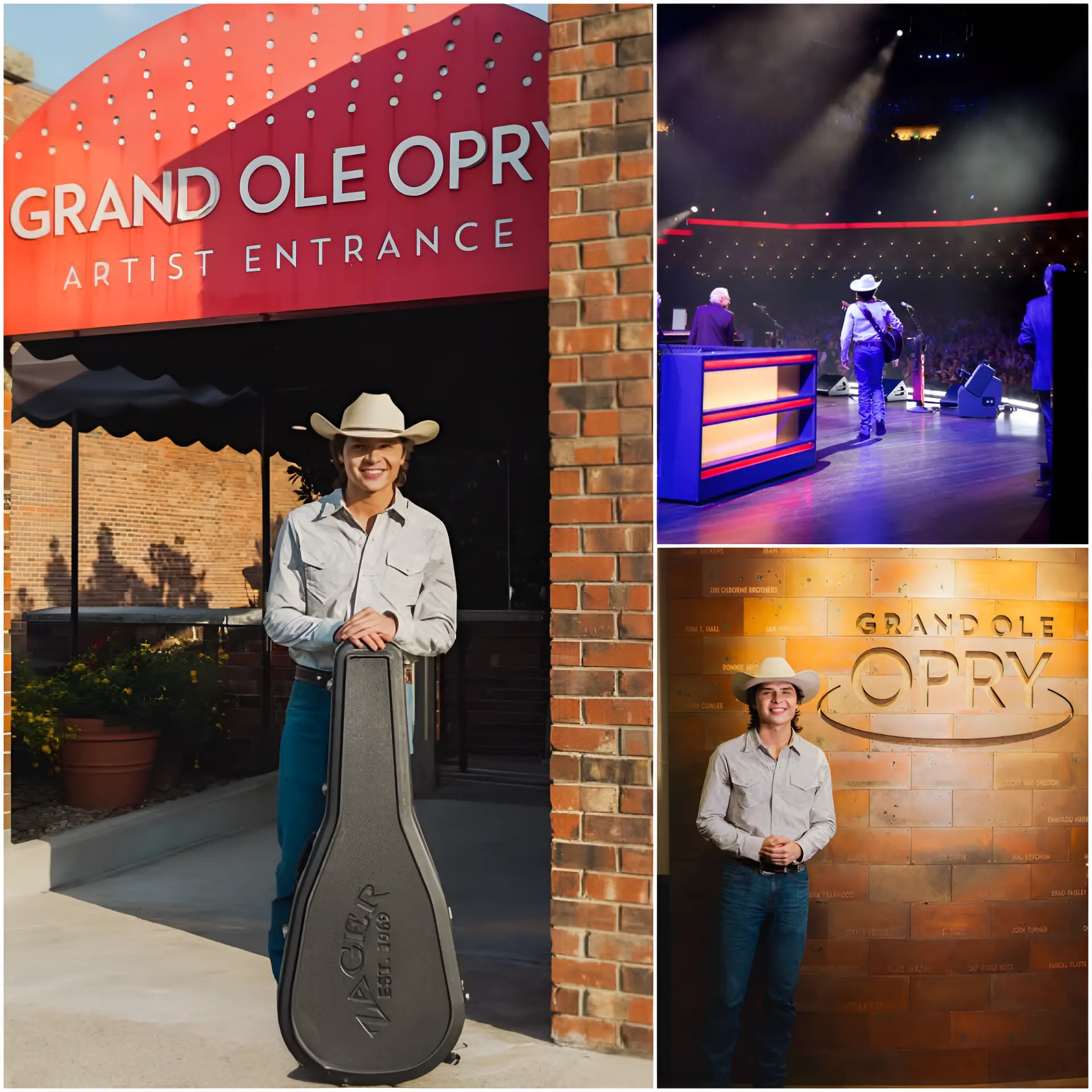
A dramatic, emoji-laden social media headline claiming that "John Foster finally admits he lied about the Grand Ole Opry" has been circulating across online forums and entertainment pages. The sensational post suggests a massive scandal surrounding the historic country music institution, hinting at shocking post-confession revelations about "that sacred stage" that have left country fans reeling.
However, an investigation into the claim reveals that the story is entirely manufactured—a textbook example of artificial intelligence-generated engagement bait designed to exploit country music tradition, invent celebrity drama, and lure readers onto monetized clickbait websites.
Deconstructing the Fabricated Opry Narrative
The headline uses classic outrage-farming techniques: high-contrast urgency (🚨), all-caps announcements ("FINALLY ADMITS HE 'LIED'"), and mysterious hooks ("BUT WHAT HE REVEALED NEXT..."). It implies a major breakdown in integrity at the Grand Ole Opry—one of the most venerated stages in American music history.
Despite the dramatic setup, the narrative crumbles under basic factual scrutiny:
- No Verifiable Figures or Events: "John Foster" is not a prominent figure, performer, or executive associated with the Grand Ole Opry. There are no press releases, media transcripts, or official announcements from Opry Entertainment Group regarding any such confession or scandal.
- Complete Absence in Major Outlets: A story alleging systemic lies or major revelations about the Grand Ole Opry would immediately be covered by mainstream country music and entertainment publications such as Billboard, Rolling Stone Country, Taste of Country, and the Nashville Scene. No reputable outlet has reported on this claim.
- Manufactured Intrigue: The post intentionally omits any actual details, relying entirely on vague, atmospheric language about "sacred stages," "hidden truths," and "shattering traditions" to force users to click an external link or engage in the comments section.
Why the Grand Ole Opry is a Frequent Target for Clickbait
For nearly a century, the Grand Ole Opry has stood as the spiritual heart of country music. Its stage represents tradition, authenticity, respect, and deep-rooted American cultural heritage. Content farms frequently target traditional institutions like the Opry for several specific reasons:
- High Emotional Engagement: Country music fans are deeply invested in the ethics, history, and traditions of their favorite artists and venues. Headlines alleging betrayal, disrespect, or deception on the Opry stage immediately provoke strong emotional responses.
- Demographic Appeal: Fictional stories centered around traditional country music figures appeal heavily to demographics active on platforms like Facebook, where sensational headlines spread rapidly through sharing and comment threads.
- Algorithmic Manipulation: Comments filled with outrage, defense of tradition, or confusion signal high engagement to social media algorithms. The platform then distributes the fake headline to broader audiences, expanding the clickbait farm's reach.
The Anatomy of AI-Generated Country Music Hoaxes
This viral post displays all the defining characteristics of synthetic clickbait produced by automated content generators:
- Sensationalized Formatting: Starting with alarm emojis (🚨) and using dramatic capitalization to create an artificial sense of breaking news.
- Vague Suspense (The "Curiosity Gap"): Promising a huge revelation in the headline ("WHAT HE REVEALED NEXT") while withholding the actual substance, forcing readers to seek out secondary links.
- Emotional Tropes: Playing on themes of honor, deception, tradition, and "unspoken truths" rather than providing concrete dates, locations, or verified quotes.
Content farms produce hundreds of variation posts like this daily, swapping out names—whether real singers, fictional characters, or minor figures—to continuously harvest ad revenue from unsuspecting visitors.
How to Identify Fake Entertainment News Online
As AI tools make it effortless to draft persuasive, dramatic text, media consumers must apply critical checks before sharing entertainment updates:
- Verify the Source: Authentic country music news originates from official venue channels (opry.com) or established industry trade publications. If a story only appears on obscure blogs or low-quality social media pages, it is almost certainly false.
- Watch for "Click-Hungry" Headlines: Genuine journalism places key facts directly in the headline or opening paragraph. Content that hides the core context behind dramatic ellipsis (...) is designed solely for web traffic.
- Cross-Reference Claims: Major admissions or scandals leave an undeniable trail across search engines and official news networks. If a quick search yields no official reports, treat the claim as digital fiction.
While the Grand Ole Opry continues its legacy as the longest-running live radio show in history, stories alleging dramatic confessions from "John Foster" are nothing more than digital noise created to capitalize on the prestige of country music's most famous stage.