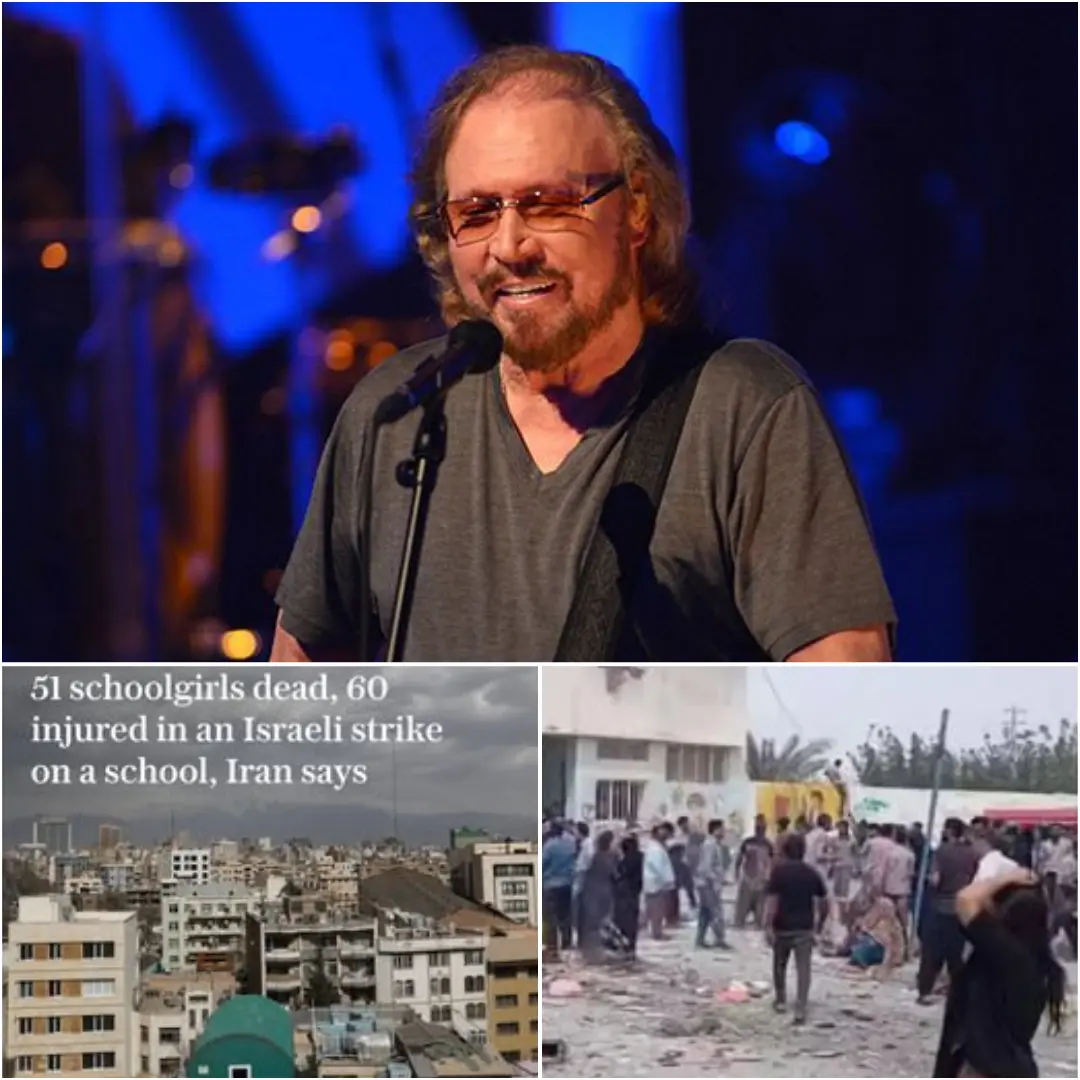
 In a move that has stunned both the music industry and humanitarian circles alike, Barry Gibb has donated his entire $5 million in recent career bonuses and sponsorship earnings to fund emergency relief and medical aid following the tragic elementary school strike in southern Iran. The announcement came during an emotional press conference where the legendary singer, songwriter, and last surviving member of the Bee Gees spoke not as an icon of pop history, but as a father and grandfather shaken by the images of children caught in the crossfire of escalating violence.
The strike, which reportedly devastated a primary school in a conflict-affected area, left families grieving and survivors in urgent need of medical care and psychological support. International aid organizations have struggled to respond swiftly amid ongoing instability in the region. It was against this backdrop that Gibb decided to step forward, committing what representatives described as “every dollar” of his most recent earnings to ensure immediate and sustained assistance for those affected.
“I’ve seen the reports of those innocent children in the south, and I promised myself that if I ever had the chance to help those caught in the crossfire of this war, I’d step up,” Gibb said, his voice unsteady at moments as he addressed reporters. “No child should have to face that kind of tragedy, and no family should have to mourn such a loss alone.”
According to his team, the $5 million donation will be distributed through a coa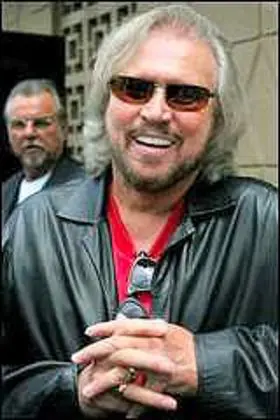 lition of international humanitarian agencies already operating in the region. The funds are earmarked for emergency medical supplies, trauma care for injured children, temporary shelter for displaced families, and long-term counseling services for survivors coping with psychological scars. A portion will also support rebuilding efforts aimed at restoring safe learning spaces once conditions allow.
Those close to Gibb say the decision was made quietly and without any intention of publicity. It was only after coordination with aid partners had been finalized that the singer agreed to speak publicly, hoping that his involvement might encourage others in positions of influence to contribute.
“Barry didn’t want headlines,” said a spokesperson familiar with the discussions. “He wanted to make sure the help was real, structured, and immediate. The press conference happened because he believes that shining a light on the suffering might move more people to act.”
For decades, Gibb has been synonymous with global hits, soaring harmonies, and the soundtrack of a generation. Yet beyond the stage lights and platinum records, he has long maintained a deep interest in charitable causes, particularly those focused on children and disaster relief. Friends describe him as someone profoundly affected by images of young lives disrupted by forces beyond their control.
In the days leading up to the announcement, Gibb reportedly spent hours reviewing briefings from humanitarian groups detailing the urgent needs in southern Iran. Medical teams described shortages of surgical supplies, pediatric medications, and trauma specialists. Counselors warned of lasting emotional damage among children who had survived the attack but witnessed unimaginable scenes.
“What struck me most were the faces,” Gibb said during the conference. “You see these small faces on the screen, and you think of your own family. You think of how quickly everything can change. And you realize that if you can help, you simply must.”
Humanitarian experts have emphasized that high-profile donations can play a critical role not only in providing immediate resources but also in galvanizing broader international support. In complex emergencies, where political tensions can complicate official responses, private contributions often fill life-saving gaps.
“This kind of funding allows us to move faster,” said one relief coordinator working in the region. “When someone of Barry Gibb’s stature commits substantial resources, it gives medical teams the flexibility to secure equipment, deploy specialists, and expand care without waiting for lengthy funding cycles.”
Gibb’s statement also carried a broader message about the human cost of conflict. Without delving into political commentary, he spoke plainly about the suffering of civilians and the shared responsibility of the global community.
“Whatever our differences, whatever our politics, children are not targets,” he said. “Families are not statistics. They are people who love, who hope, who dream just like we do. If we lose sight of that, we lose something fundamental about our humanity.”
Reaction to the announcement was swift. Fans flooded social media with messages of gratitude and admiration, praising the singer not only for his music but for his willingness to act in a moment of crisis. Fellow artists and public figur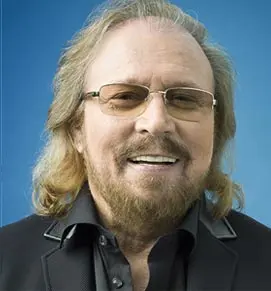 es echoed those sentiments, with several hinting at plans to contribute to the same relief effort.
While $5 million cannot undo the tragedy that unfolded, aid organizations say it will have an immediate and tangible impact. Emergency shipments of medical supplies are already being arranged, and specialized pediatric trauma teams are expected to expand their operations in the coming weeks.
There is also a longer-term vision attached to the initiative. Beyond immediate relief, part of the funding will support programs designed to help children return to structured education as soon as it is safe to do so. Temporary classrooms, educational materials, and teacher support systems are among the priorities identified by relief planners.
Gibb closed the press conference with a reflection that underscored both his sorrow and his resolve. “I’ve spent my life writing songs about love, about staying alive, about holding on to each other through hard times,” he said. “This is about living those words. It’s about making sure that in the darkest moments, someone reaches out a hand.”
For many watching, the gesture resonated not only because of the amount involved but because of the sincerity with which it was delivered. In an era often defined by division and spectacle, a veteran artist quietly redirecting personal earnings toward strangers halfway across the world offered a reminder of the power of empathy.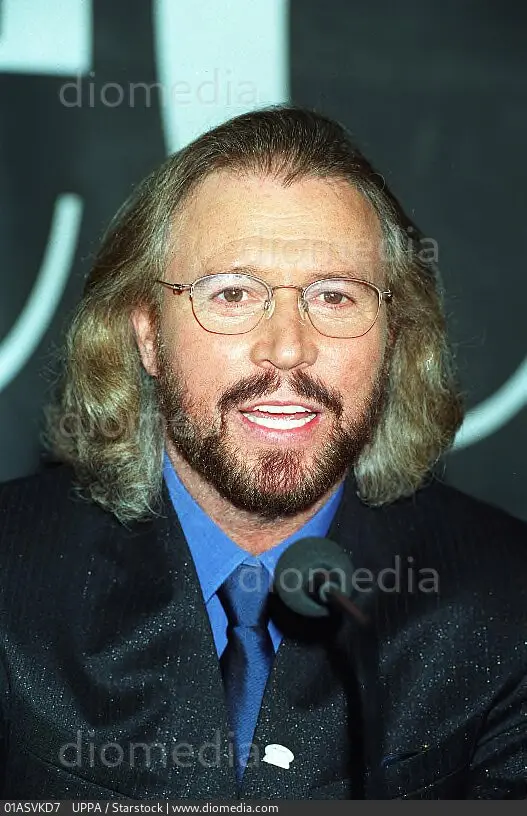
As aid begins to flow and families in southern Iran receive critical support, the focus remains where Gibb insisted it should be: on the children and parents navigating unimaginable loss. His donation does not erase the pain, nor does it resolve the complexities of the broader conflict. But it does provide medicine, shelter, counseling, and perhaps most importantly, a signal that they have not been forgotten.
In the end, Barry Gibb’s decision stands as more than a headline. It is a testament to the enduring belief that influence carries responsibility, and that even in the face of violence and grief, compassion can travel across borders. Whether others will follow his lead remains to be seen, but for now, thousands of families will feel the immediate effects of a promise kept — a promise that if he ever had the chance to help, he would step up.