

The music world paused this week as news spread that legendary singer Tom Jones had undergone surgery and was quietly recovering. For decades, his voice has thundered through concert halls, echoed across radios, and wrapped itself around generations of fans who grew up with his unmistakable sound. Now, at 85, the Welsh icon finds himself in a different spotlight — one not fueled by applause or flashing cameras, but by vulnerability, honesty, and a simple, heartfelt request.
In a brief yet deeply emotional message shared with fans, Tom Jones made something clear from the very first line: “I’m not asking for attention… just one thing.” It was not the tone of a man seeking sympathy. It was not a dramatic announcement crafted for headlines. It was the voice of someone who has spent more than six decades performing for the world, now speaking plainly and sincerely about his own health.
According to those close to him, the surgery had been planned, though few outside his inner circle were aware of it. Jones chose privacy over publicity, a decision consistent with how he has handled personal matters throughout his career. Even at the height of global fame, when hits like “It’s Not Unusual” and “Delilah” turned him into an international sensation, he often guarded his private life carefully, preferring to let the music speak louder than gossip.
This time was no different. The procedure itself was described as necessary but not catastrophic. Doctors reportedly recommended it after routine examinations revealed an issue that required prompt attention. While representatives have not disclosed specific medical details, sources emphasized that the surgery was successful and that Jones is now focused on rest and recovery.
What moved fans most was not the medical update — it was the emotion behind his message. In his statement, Tom Jones reflected on the years he has spent on stage, the miles traveled, the audiences embraced, and the privilege he feels in having shared his life through song. He acknowledged that age brings change, and that even performers who once seemed larger than life must eventually listen to their bodies.
“I’ve given my all to the stage,” he wrote. “Now I need to give a little time to healing.” There was no bitterness in his words. No regret. Instead, there was gratitude — and a quiet humility that surprised many who still associate him with the powerful, commanding presence that defined his prime.
Born in Pontypridd, Wales, in 1940, Tom Jones rose from humble beginnings to become one of the most recognizable voices in modern music history. His early years were marked by determination and an unmistakable vocal power that set him apart. By the mid-1960s, he was a global star, touring relentlessly and captivating audiences with a combination of charisma, raw talent, and theatrical flair.
Yet behind the glamorous suits and roaring crowds, the demands of such a career were relentless. Endless trav el, late nights, and the physical strain of live performance are challenges few truly understand. For decades, Jones powered through them with remarkable stamina. Even in his later years, he continued touring and performing with an energy that defied expectations.
Fans have long admired not just his voice, but his resilience. After the passing of his wife, Linda, in 2016, Jones faced one of the most painful chapters of his life. He spoke openly about grief, about losing his anchor, and about how returning to music helped him find stability again. That openness created a deeper connection with audiences who saw not only a star, but a human being navigating heartbreak.
It is perhaps that same authenticity that resonates now. In his recent message, he did not dramatize his condition. He did not hint at farewell. Instead, he asked for patience and understanding. “Give me time,” he wrote. “That’s all I ask.” For a performer accustomed to giving endlessly — time, energy, emotion — the simplicity of that request carried weight.
Social media quickly filled with messages of support. Fans from Wales to Las Vegas, from London to Sydney, shared memories of concerts, favorite songs, and moments when his music had carried them through difficult times. Many described him as the soundtrack to their youth. Others credited him with inspiring their own musical journeys.
Industry peers also offered public encouragement. Musicians across genres acknowledged his influence and sent well-wishes for a smooth recovery. For many younger artists, Tom Jones represents a bridge between eras — a reminder of a time when vocal power and stage presence defined superstardom.
There is also a broader cultural element at play. Icons like Tom Jones become woven into collective memory. Their songs are not just entertainment; they mark milestones — weddings, road trips, heartbreaks, celebrations. When such figures face health challenges, it can feel personal to fans who have grown alongside them.
Medical experts often note that recovery after surgery, particularly for individuals in their eighties, requires careful pacing. Rest, rehabilitation, and a measured return to activity are critical. Those close to Jones suggest he is taking that advice seriously. Rehearsals have reportedly been postponed, and any upcoming appearances remain under review until doctors give full clearance.
Despite the uncertainty, there is little indication that this is a final chapter. Throughout his career, Tom Jones has demonstrated a remarkable ability to adapt. He reinvented himself in the 1980s with collaborations that introduced him to younger audiences. In the 1990s and 2000s, he embraced new sounds while honoring his roots. His recent years as a television mentor showcased yet another dimension of his artistry — that of a seasoned performer guiding emerging talent.
If anything, this moment may simply represent another pause before reinvention. Recovery can offer reflection. Reflection can inspire new creative energy. And Tom Jones has never been one to fade quietly into the background.
Still, the vulnerability in his recent message lingers. There was a tone of sincerity that cut through the noise of celebrity culture. No dramatic music. No elaborate production. Just a few words that reminded the world that even legends need care.
For now, his team emphasizes that he is in good spirits. Friends describe him as determined, even 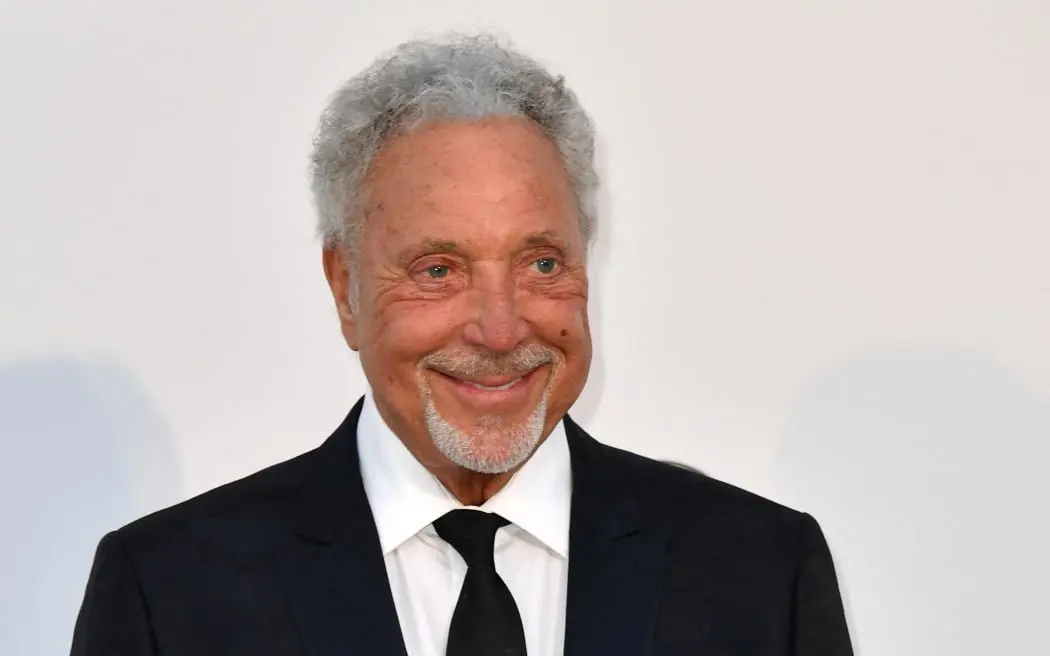 optimistic. There is talk of music playing softly in his home as he rests — fitting for a man whose life has always been intertwined with melody.
Fans continue to wait, not impatiently, but respectfully. They understand that healing cannot be rushed. If Tom Jones has taught them anything over the years, it is the power of timing — knowing when to hold a note, when to pause, when to let silence speak.
In the end, his request was modest. Not applause. Not headlines. Just time.
And perhaps that is the greatest testament to his character. After a lifetime of commanding attention, he now steps back and asks simply for space to recover. It is a reminder that behind every iconic voice is a human heart, beating steadily, deserving of rest.
Whether he returns to the stage in months or takes longer to rebuild strength, one truth remains unchanged: Tom Jones’s legacy is secure. His music endures. His influence spans continents and generations. And the bond between artist and audience, built over sixty remarkable years, is not so easily broken.
As he heals, millions are quietly sending their support across oceans and borders. No flashing lights. No roaring arenas. Just gratitude, patience, and hope.
For a man who once filled stadiums with thunderous sound, the world now answers him with something softer — understanding.

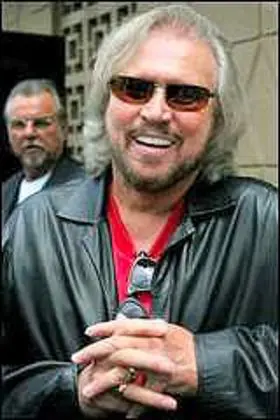
 In a move that has stunned both the music industry and humanitarian circles alike, Barry Gibb has donated his entire $5 million in recent career bonuses and sponsorship earnings to fund emergency relief and medical aid following the tragic elementary school strike in southern Iran. The announcement came during an emotional press conference where the legendary singer, songwriter, and last surviving member of the Bee Gees spoke not as an icon of pop history, but as a father and grandfather shaken by the images of children caught in the crossfire of escalating violence.
 lition of international humanitarian agencies already operating in the region. The funds are earmarked for emergency medical supplies, trauma care for injured children, temporary shelter for displaced families, and long-term counseling services for survivors coping with psychological scars. A portion will also support rebuilding efforts aimed at restoring safe learning spaces once conditions allow.
 es echoed those sentiments, with several hinting at plans to contribute to the same relief effort.